

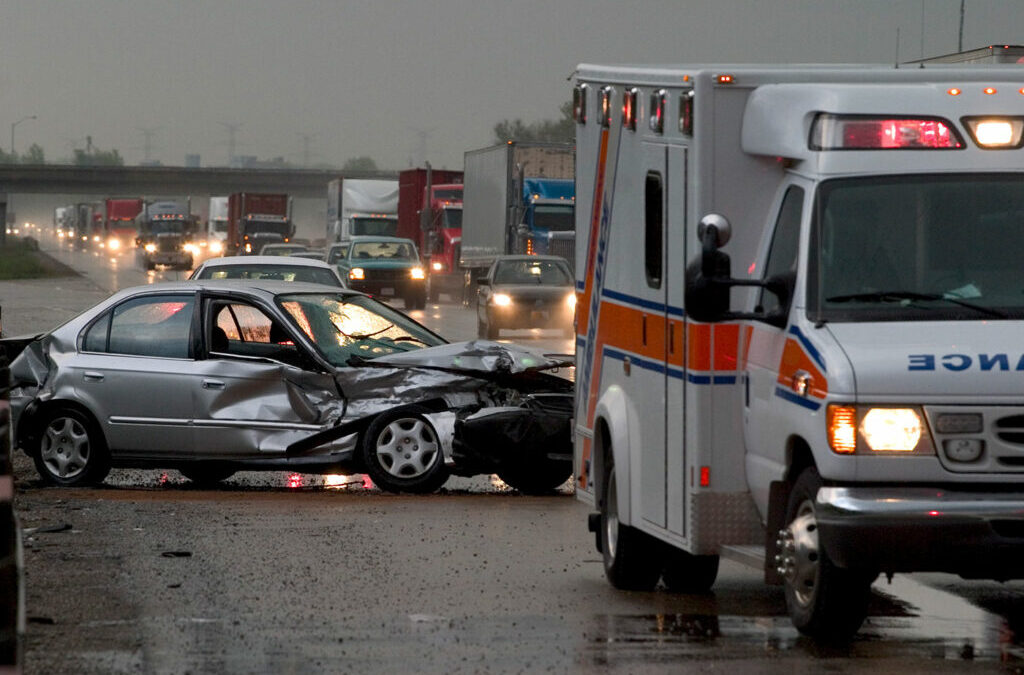
Please slow down. What you do next can protect your health, preserve evidence, and make it harder for an insurance company to twist the story later. At Gehrmann Injury Law, we help injured people in Vancouver and Clark County after serious crashes. Here is a clear step-by-step guide for what to do after a car accident.
Step 1: Stop and stay at the scene
After a crash, stop your vehicle as soon as it is safe. Do not drive away, even if the damage looks minor. Leaving the scene can create legal problems and may damage your credibility later.
Take a breath before you speak. You do not need to explain fault, apologize, or guess what happened in the first few seconds.
Step 2: Check for injuries and call 911
Check yourself, your passengers, and anyone else involved. If anyone is hurt, trapped, confused, bleeding, dizzy, or complaining of neck, back, head, chest, or abdominal pain, call 911. Emergency responders can evaluate injuries and create an official record of the crash.
Some injuries do not feel serious immediately. Adrenaline can hide pain for hours or even days.
Step 3: Move to safety if you can
If the vehicles can be moved safely and no one is seriously injured, get out of traffic. Turn on hazard lights. Use flares or warning triangles if you have them and can place them safely. Stay away from moving traffic, especially on highways, bridges, intersections, and dark roads.
Your safety comes first. Vehicle damage can wait.
Step 4: Call law enforcement
In Washington, crash reporting rules can depend on injury, property damage, and whether an officer investigates the collision.
If law enforcement comes to the scene and investigates, the officer typically files the collision report. If no officer investigates, drivers may need to submit a collision report within 4 days when the crash meets Washington reporting requirements. Calling law enforcement also helps create a paper trail. That can matter later if the other driver changes their story or an insurance adjuster questions what happened.
Step 5: Exchange information
Get the other driver’s information before leaving the scene. You should collect the driver’s name, phone number, address, license plate number, driver’s license information, insurance company, and policy number. If the other driver is not the vehicle owner, ask for the owner’s information too.
Be polite, but keep the conversation limited. Do not argue about fault on the roadside.
Step 6: Take photos and videos
If you can do it safely, document the scene before vehicles are moved or debris is cleaned up.
Take photos of vehicle damage, license plates, skid marks, traffic lights, signs, road conditions, weather, injuries, airbags, broken glass, and the final resting position of the vehicles. Also take a short video of the scene if possible. A few seconds of footage can show traffic flow, visibility, and road layout better than memory later.
Step 7: Get witness information
Witnesses can disappear quickly after a crash. If anyone saw what happened, ask for their name and contact information. Do not pressure them to give a statement at the scene.
A neutral witness can become important if the insurance company disputes fault. Even one name and phone number can help.
Step 8: Do not admit fault
It is natural to say “I’m sorry” after something stressful. Be careful. Stick to facts. You can ask if someone is okay without accepting responsibility for the crash.
Fault may depend on speed, distraction, right of way, traffic signals, road conditions, vehicle defects, or several drivers’ actions. Let the investigation and evidence speak.
Step 9: Get medical care
If you are injured, get evaluated as soon as possible. Do not wait just because you think the pain might go away. Neck injuries, back injuries, concussions, shoulder injuries, and soft tissue damage can worsen after the initial shock fades.
Follow your treatment plan and keep every appointment. Gaps in care can make it easier for an insurance company to argue your injuries were not serious or were caused by something else.
Step 10: Notify your insurance company
Report the crash to your insurance company, but keep it factual. You can tell them when and where the crash happened, who was involved, and whether you were injured. You do not need to give recorded statements to the other driver’s insurance company without legal advice.
Also ask about your own coverage, including PIP insurance if you have it. PIP can help pay medical bills after a crash, even before fault is fully sorted out.
Step 11: Keep every document
Start a folder right away. Save medical records, bills, discharge papers, prescriptions, repair estimates, towing receipts, rental car receipts, insurance letters, emails, photos, police report information, and missed-work documentation.
Insurance claims are built on proof. The more organized you are, the easier it is to show what the crash actually cost you.
Step 12: Be careful with insurance adjusters
Insurance adjusters may sound friendly, but their job is not to maximize your recovery. They may ask for recorded statements, broad medical authorizations, quick settlement discussions, or answers before you know the full extent of your injuries.
Do not sign releases or accept money too early. Once you settle, you may not be able to come back for more if your symptoms get worse.
Step 13: Call a car accident lawyer before the claim gets away from you
If you were hurt, needed medical care, missed work, or are already getting pressure from insurance, talk to a lawyer. At Gehrmann Injury Law, we handle insurance companies, medical bills, legal documents, and at-fault party issues so our clients can focus on getting healthy. We prepare cases for court so insurers know we are not building a claim around a quick lowball offer.
You do not pay attorney fees upfront. We only get paid if we recover money damages for you.
The right help can make the next steps clearer
After a crash, you do not have to figure out the insurance system alone. We can review what happened, explain what coverage may be available, help protect your claim, and build a strategy around your injuries, treatment, lost income, and recovery needs.
Don’t wait another day to protect your rights. Contact us online or call Gehrmann Injury Law at (360) 253-3667 for a free consultation. We’ll review your case, explain exactly what coverage you have available, and create a strategy to maximize your recovery.
Recent Comments